 ES
ES
 EN
EN
 FR
FR


Investing in the Argentine AgroIndustry sector
Argentina is one of the world's leading food suppliers, with a globally recognized and efficient agricultural export chain. Soil, scale, technology, and talent all in one place.
Why choose AgroIndustry in Argentina?
Grains, meat, regional economies, agricultural biotechnology, and services for the agricultural sector: Argentina's agribusiness combines exceptional natural resources with a unique ecosystem of suppliers, contractors, and professionals. Global food demand is the structural trend for the coming decades—and Argentina is at the heart of that demand.
Analysis of the size and share of the Argentine agricultural market: growth trends and forecast (2026-2031)
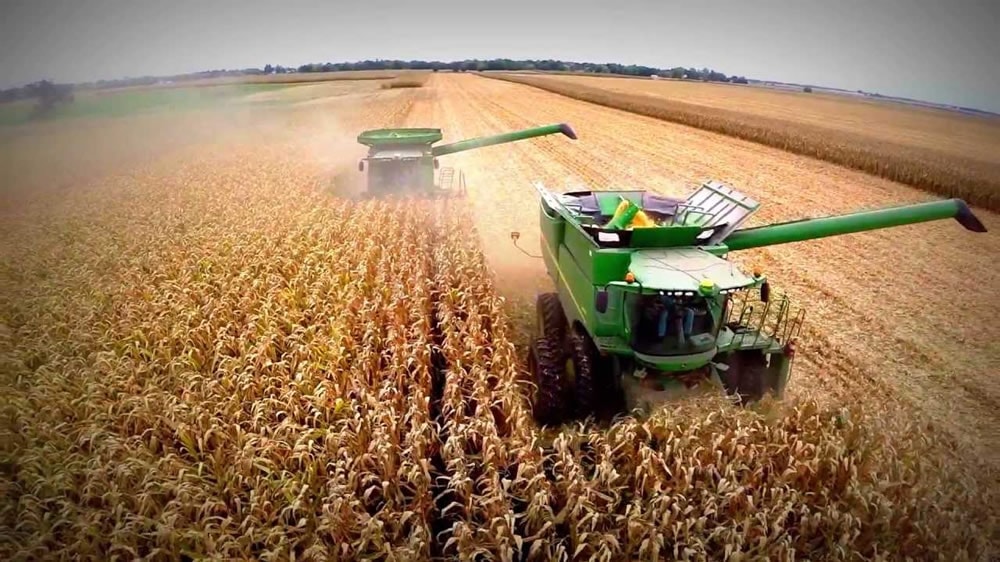
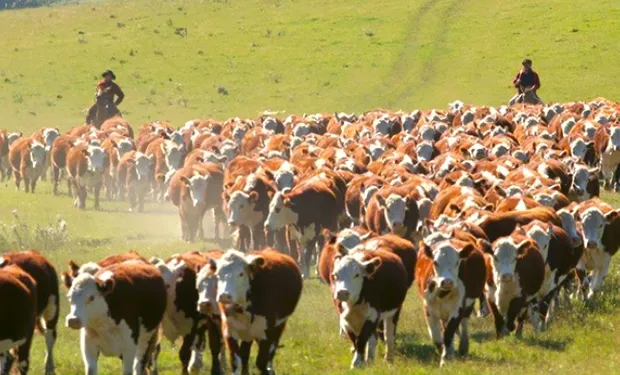
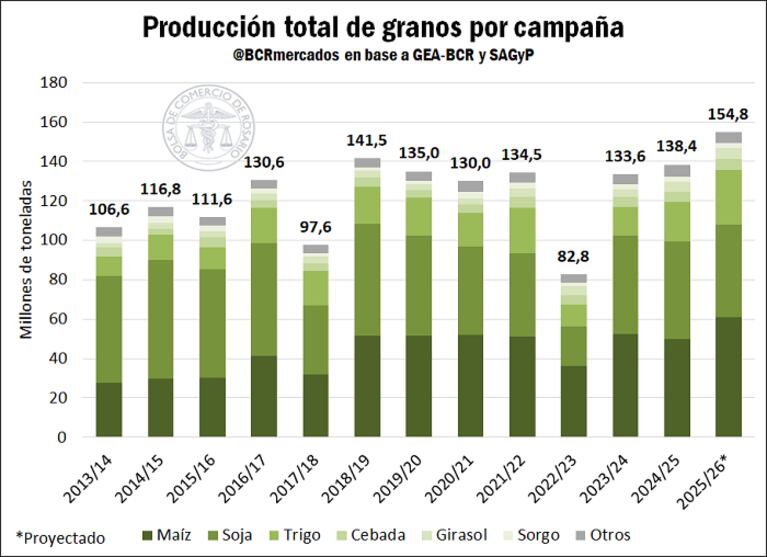
The Argentine Agricultural Market Report is segmented by crop type (cereals, fruits, and others). It includes production analysis (volume), consumption analysis (value and volume), import analysis (value and volume), export analysis (value and volume), wholesale price trend analysis and forecasting, a list of key players, and more. Market forecasts are presented in terms of value (USD) and volume (metric tons).
Analysis of the Argentine agricultural market by Mordor Intelligence
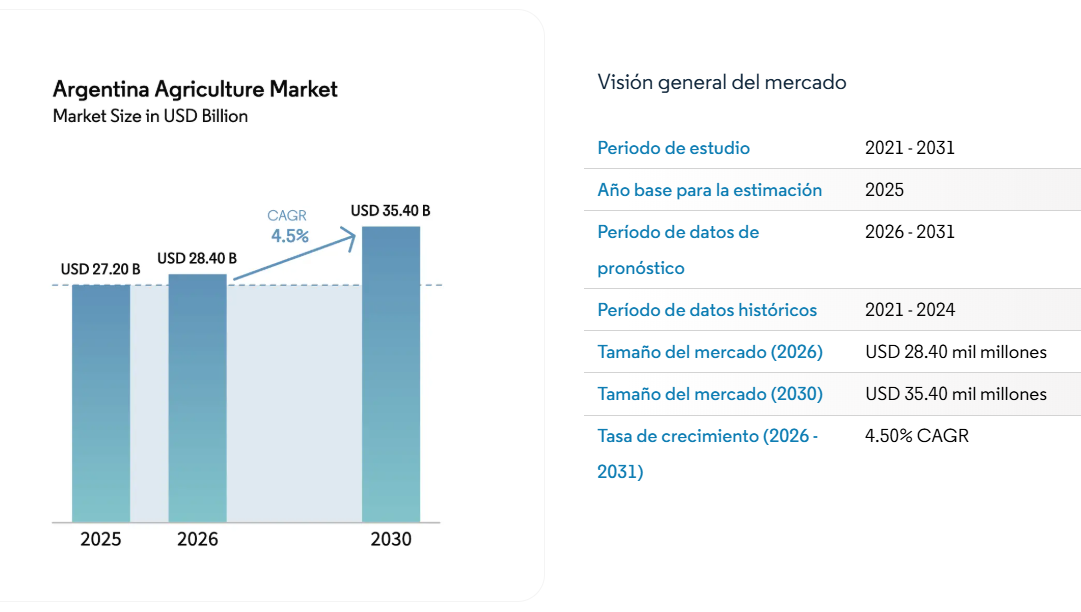
The size of the Argentine agricultural market is anticipated to grow from USD 27.2 billion in 2025 to USD 28.4 billion in 2026 and is forecast to reach USD 35.4 billion by 2031, with a CAGR of 4.5% during 2026–2031. Grain yields are recovering after the 2022–2023 La Niña drought, but the pace remains measured as peso inflation continues to raise fertilizer and fuel costs, while disease pressures, such as corn stunting, limit yield increases. Export tax reductions and a managed float of the peso modestly bolster farm margins, although the federal budget's reliance on tax revenues limits the extent of further cuts. Multilateral financing, including the World Bank’s Climate-Smart Agri-Food Systems Project, unlocks precision agriculture tools that increase input efficiency, but slow delays in provincial co-financing keep short-term benefits below potential. Competitive dynamics remain moderate, with five global traders accounting for a significant share of Argentina’s agricultural market revenue, while a vibrant cooperative sector and local biotechnology companies provide counterbalancing power.
Growing global demand for soybean and corn exports
China did not meet its 2025 target of reducing soybean meal in animal feed to below 13%, but its livestock industry remains dependent on it. This solidifies Argentina’s position as a leading exporter, accounting for 35% to 42% of global soybean meal shipments. [1] Source: USDA Foreign Agricultural Service, “Argentina – Grain and Feed Yearbook,” usda.gov. Beijing’s policy of prioritizing domestic corn self-sufficiency has significantly limited the overall import volume. As a result, Argentine traders have redirected their exports toward markets with stable growth, such as Vietnam, Egypt, and Algeria, to offset the variability of Chinese demand. This shift leverages Argentina’s leading crushing capacity, thanks to the completion of the Bunge-Viterra merger in July 2025, consolidating assets to enhance the production of high-value soybean oil and meal for global markets. This growth provides a significant alternative market, mitigating the effects of China’s emphasis on domestic crushing. Meanwhile, the outstanding beef quota between the European Union and Mercosur adds an indirect incentive for Argentine feed grains for fattening cattle that meet sustainability criteria.
Tax incentives for precision agriculture and concessional loans for equipment
Argentina's 2024-2027 reforms reduced import tariffs on high-tech machinery from 35% to 12.6% and lowered grain export taxes, reducing the costs of GNSS-guided seeders and yield-monitoring harvesters in the Pampas and Mesopotamia regions.[2] Source: Ministry of Agriculture, Livestock and Fisheries of Argentina, “Fiscal Decree 2024-2027: Incentives for Precision Agriculture”, Argentina.gob.ar. Under the World Bank's $400 million Climate-Smart and Inclusive Agri-food Systems Project, Banco de la Nación Argentina offers credit for modern machinery to help producers adopt climate-resilient technologies. By 2025, the initiative aims to benefit more than 365,000 people, supporting recovery and sustainability. Trials by the National Institute of Agricultural Technology (INTA) show that GNSS guidance reduces soybean seed overlap by 6% to 8%, resulting in savings of USD 12-16 per hectare, while variable-rate nitrogen application increases corn yields by up to 0.6 metric tons per hectare in Buenos Aires and Santa Fe.[3] Source: National Institute of Agricultural Technology, “Results of the 2025 Precision Agriculture Program,” Inta.gob.ar. Models from the Rosario Board of Trade suggest that these tools can reduce the corn yield gap of 2.7 metric tons per hectare by up to 22% across 8.2 million hectares of low-yield land. However, farmers with less than 200 hectares remain largely excluded, as a basic precision package still costs at least USD 45,000, even after incentives, widening the productivity gap and accelerating consolidation towards larger operators.
Multilateral financing for climate-smart agriculture projects
The World Bank’s $300 million Climate-Smart Agri-Food Systems Project supports the use of satellite-guided seeders, soil moisture probes, and renewable energy pumps on approximately 120,000 hectares in the key provinces of Buenos Aires, Córdoba, and Santa Fe. In June 2023, the Inter-American Development Bank (IDB) approved a $350 million loan to support Argentina’s climate action initiatives. The financing aims to bolster policies to reduce agricultural emissions and promote technologies such as precision fertilizer application to improve efficiency. Procurement for the Climate-Smart Agri-Food Systems Project experienced delays, with approximately 38% of the initial phase budget used by mid-2025, as the provinces encountered challenges in finalizing local strategies and meeting co-financing requirements. The National Institute of Agricultural Technology (INTA) has installed 450 weather stations to feed yield prediction models that optimize planting windows. The mandatory allocation of 30% of funds to farms smaller than 200 hectares aims to curb the widening productivity gap between large-scale farms and small producers.
Regenerative grazing accelerates double crop rotations
Rotational grazing moves cattle between paddocks to stimulate root growth and free up land for winter wheat before summer soybeans, increasing the annual cropping intensity from 1.4 to 2.1 rotations per hectare. In 2023, Adecoagro combined livestock and crops on 240,000 hectares and reduced nitrogen use by 22%, saving USD 45 per hectare and increasing subsequent soybean yields by 12% to 15%. The 2022-2023 drought exposed the risks of continuous soybean moisture, leading to increased interest in cover crops that fix nitrogen and disrupt pest cycles. The Argentine Association of No-Till Farmers trained 8,500 producers in 2025 on regenerative methods that improve soil carbon and resilience. Although there are no tax credits for carbon storage, vertically integrated companies internalize the multi-year benefits and lead the adoption.
By crop type: Cereals and grains anchor export revenues
Cereals and grains accounted for 43% of Argentina's agricultural market share in 2025, led by corn and wheat. Wheat production increased significantly thanks to timely spring rains that benefited Buenos Aires and La Pampa, boosting yields to a seven-year high. Corn production stabilized despite disease outbreaks, as late planting avoided peak vector pressure. Fruit is the fastest-growing segment, with a compound annual growth rate (CAGR) of 4.8%, driven by lemons from Tucumán, which account for the majority of the global fresh lemon trade, and blueberries from Entre Ríos, which fill off-season gaps in Asia.
Oilseeds and pulses recovered, but stagnant biodiesel requirements are limiting crushing margins, even as demand for soybean meal remains strong in Southeast Asia. Vegetables meet domestic demand in urban areas, but face competition from Brazilian trucks that drive down prices for tomatoes and potatoes. Cash crops such as cotton and sugarcane face pressure from synthetic substitutes and a ceiling on ethanol blending that limits sugar profitability. Turfgrass and ornamental plants, while niche, have seen decent annual growth and are used in urban landscaping, but lack export scale due to strict phytosanitary restrictions.
How do we support you in this sector?
- Establishment of the appropriate corporate structure for your agro-industrial activity
- Tax registrations and activity-specific records
- Advice for the purchase or lease of fields and facilities
- Requirements for exporting your production
- Coordination with specialized professionals in the sector
- Ongoing accounting, tax and administrative support
Agribusiness · Argentina
Your agro-industrial project, operating in Argentina.
Tell us about your project and we'll respond within 24 business hours with concrete steps to get started.
Let's talk about your project